Starbucks might potentially end up being the first big chain to launch a line of cannabis-infused drinks, or at least that's what analysts think.
Cowan released a 100-page document detailing its analysis of the CBD market on Monday. The group thinks that CBD will reach $16 billion in retail sales by 2025 and that we're likely to see cannabis, specifically, CBD, make its way into other products down the line well, Yahoo Finance reports.
"The dynamics are fluid, likely delaying adoption from major coffee players like Starbucks in the near term," Cowan analyst Andrew Charles wrote in the report. "Should the regulation of CBD oil as an additive to food/beverage change or craft/independent coffee shops find a way to comply with the existing regulation, we could envision Starbucks ultimately piloting the ingredient."
While it's certainly a possibility, that vision might not be in Starbucks' roadmap for the time being. Speaking with a reporter from CNBC last month, Starbucks CEO Kevin Johnson said that while it's paying attention to the trend, right now adding cannabis to Starbucks' menu isn't currently in the company's plans.
Should the company decide to include cannabis in its drinks it would likely run into a number of roadblocks. Commercial CBD is still in its infant stages, with states and regulators still trying to understand how to appropriately regulate its use.
Monday, February 25, 2019

Troubling Trends Towards Artificial Intelligence Governance
This is an age of artificial intelligence (AI) driven automation and autonomous machines. The increasing ubiquity and rapidly expanding potential of self-improving, self-replicating, autonomous intelligent machines has spurred a massive automation driven transformation of human ecosystems in cyberspace, geospace and space (CGS). As seen across nations, there is already a growing trend towards increasingly entrusting complex decision processes to these rapidly evolving AI systems. From granting parole to diagnosing diseases, college admissions to job interviews, managing trades to granting credits, autonomous vehicles to autonomous weapons, the rapidly evolving AI systems are increasingly being adopted by individuals and entities across nations: its government, industries, organizations and academia (NGIOA).
Individually and collectively, the promise and perils of these evolving AI systems are raising serious concerns for the accuracy, fairness, transparency, trust, ethics, privacy and security of the future of humanity -- prompting calls for regulation of artificial intelligence design, development and deployment.
While the fear of any disruptive technology, technological transformation, and its associated changes giving rise to calls for the governments to regulate new technologies in a responsible manner are nothing new, regulating a technology like artificial intelligence is an entirely different kind of challenge. This is because while AI can be transparent, transformative, democratized, and easily distributed, it also touches every sector of global economy and can even put the security of the entire future of humanity at risk. There is no doubt that artificial intelligence has the potential to be misused or that it can behave in unpredictable and harmful ways towards humanity—so much so that entire human civilization could be at risk.
While there has been some -- much-needed -- focus on the role of ethics, privacy and morals in this debate, security, which is equally significant, is often completely ignored. That brings us to an important question: Are ethics and privacy guidelines enough to regulate AI? We need to not only make AI transparent, accountable and fair, but we need to also create a focus on its security risks.
Individually and collectively, the promise and perils of these evolving AI systems are raising serious concerns for the accuracy, fairness, transparency, trust, ethics, privacy and security of the future of humanity -- prompting calls for regulation of artificial intelligence design, development and deployment.
While the fear of any disruptive technology, technological transformation, and its associated changes giving rise to calls for the governments to regulate new technologies in a responsible manner are nothing new, regulating a technology like artificial intelligence is an entirely different kind of challenge. This is because while AI can be transparent, transformative, democratized, and easily distributed, it also touches every sector of global economy and can even put the security of the entire future of humanity at risk. There is no doubt that artificial intelligence has the potential to be misused or that it can behave in unpredictable and harmful ways towards humanity—so much so that entire human civilization could be at risk.
While there has been some -- much-needed -- focus on the role of ethics, privacy and morals in this debate, security, which is equally significant, is often completely ignored. That brings us to an important question: Are ethics and privacy guidelines enough to regulate AI? We need to not only make AI transparent, accountable and fair, but we need to also create a focus on its security risks.
Sunday, January 13, 2019
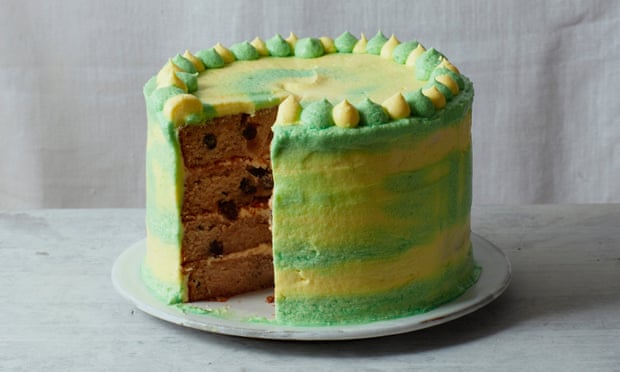
Liam Charles’ recipe for vegan rum and raisin sponge cake
The start of the year means it's time to try something new. This cake is perfect for vegan January. A lot of people might think vegan food is boring, lacks flavour and that the ingredients are difficult to source. But, trust me, it's so easy, and if you follow the right recipe – er, like this one – it's going to be super tasty. Don't tell your mates this cake is vegan, and see if they pick up on it.
Soak the raisins in rum overnight. The next day, heat the oven to 180C (170C fan)/375F/gas 5. Grease and line four 20cm sandwich tins.
Put the sugar, oil and vanilla in a large bowl and beat with an electric whisk or a stand mixer with a beater attachment for two minutes until well combined. Mix the yoghurt and vinegar together in a separate bowl, then add this to the mixture and beat for a further two minutes. Add the dry ingredients and whisk until smooth, then gently fold in the rum-soaked raisins. Divide the mixture equally between the tins, and bake for 25 minutes, or until springy to the touch. Cool on a wire rack.
To make the buttercream, beat the soy butter with an electric mixer for a couple of minutes until smooth. Sieve the icing sugar in a separate bowl and add to the soy butter in two stages, beating well between each addition. Add the vanilla and a splash of soy milk to loosen if too thick. Divide between two bowls and set aside.
Once the cakes have cooled, use a sharp knife to trim the tops to level them off. On a board slightly bigger than your sponges, spread a small amount of buttercream and place the first layer of sponge on it. Spread a good dollop of buttercream on top then place another sponge on it. Repeat with the other sponges, but add the last one upside down. Spread a thin layer of buttercream with a palette knife over the whole cake to seal in the crumbs. Refrigerate for at least an hour.
Divide the second bowl of buttercream into two bowls. Colour one with the green food colouring, the other with the yellow, mixing in well. Apply the coloured buttercreams alternately around the cake, smoothing with a palette knife, to create a marbled effect. Any remaining buttercream can be used to pipe kisses around the top.
Soak the raisins in rum overnight. The next day, heat the oven to 180C (170C fan)/375F/gas 5. Grease and line four 20cm sandwich tins.
Put the sugar, oil and vanilla in a large bowl and beat with an electric whisk or a stand mixer with a beater attachment for two minutes until well combined. Mix the yoghurt and vinegar together in a separate bowl, then add this to the mixture and beat for a further two minutes. Add the dry ingredients and whisk until smooth, then gently fold in the rum-soaked raisins. Divide the mixture equally between the tins, and bake for 25 minutes, or until springy to the touch. Cool on a wire rack.
To make the buttercream, beat the soy butter with an electric mixer for a couple of minutes until smooth. Sieve the icing sugar in a separate bowl and add to the soy butter in two stages, beating well between each addition. Add the vanilla and a splash of soy milk to loosen if too thick. Divide between two bowls and set aside.
Once the cakes have cooled, use a sharp knife to trim the tops to level them off. On a board slightly bigger than your sponges, spread a small amount of buttercream and place the first layer of sponge on it. Spread a good dollop of buttercream on top then place another sponge on it. Repeat with the other sponges, but add the last one upside down. Spread a thin layer of buttercream with a palette knife over the whole cake to seal in the crumbs. Refrigerate for at least an hour.
Divide the second bowl of buttercream into two bowls. Colour one with the green food colouring, the other with the yellow, mixing in well. Apply the coloured buttercreams alternately around the cake, smoothing with a palette knife, to create a marbled effect. Any remaining buttercream can be used to pipe kisses around the top.
Monday, December 3, 2018
Skin in the game: is live artistic nudity more than titillation?
Berlin is known for a progressive attitude to nudity, from its debauched nightclubs to the naked sunbathing that takes place in parks and at the city's numerous lakes. But things are changing. Last year, one of its most popular saunas, Verbali spa, buckled under tourist pressure and mandated bathrobes in many areas.
It's these shifting attitudes that performance artist and activist Mischa Badasyan and his partner, photographer Abdulsalam Ajaj, are putting to the test with their work Weil Ich Dich Liebe (Because I Love You), which captures ordinary citizens of various ages and sizes undressed inside 16 of the city's metro stations. In one photo, a row of naked men curves around the edge of an empty subway platform, framed between gleaming white columns and a filthy, gravel railway line. What's striking is how the series offers Berliners the chance to slow down and see what goes unnoticed in the banality of getting from one place to the next – I hadn't noticed the magenta railings of Prinzenstrasse, until the image of a lone, hirsute-backed, bald-pated man made this detail stand out.
"When I moved [here], each station being different caught my eye: they're amazing," says Ajaj, who came to Berlin from Damascus. After trying for six months to gain permission from the city to shoot their series, and failing, the artists put out a call for participants and decided to work illegally in the early mornings – usually before the trains began running – with whoever showed up. The pair exhibited their photos at L'Art pour Elkaar festival in the Dutch city of Maastricht earlier this month and plan to hang posters of the images around the German capital.
"We've lost the feeling of belonging to the city," says Russian-born Badasyan, who thinks unfamiliar experiences can forge connections between people and their surroundings. "But now, when people from these interventions return to the stations we've shot at, they feel: ‘This is home.'" Quelling bodily anxiety is another aim of the project: "A trans volunteer said it was the first time he'd felt comfortable with his body."
It's these shifting attitudes that performance artist and activist Mischa Badasyan and his partner, photographer Abdulsalam Ajaj, are putting to the test with their work Weil Ich Dich Liebe (Because I Love You), which captures ordinary citizens of various ages and sizes undressed inside 16 of the city's metro stations. In one photo, a row of naked men curves around the edge of an empty subway platform, framed between gleaming white columns and a filthy, gravel railway line. What's striking is how the series offers Berliners the chance to slow down and see what goes unnoticed in the banality of getting from one place to the next – I hadn't noticed the magenta railings of Prinzenstrasse, until the image of a lone, hirsute-backed, bald-pated man made this detail stand out.
"When I moved [here], each station being different caught my eye: they're amazing," says Ajaj, who came to Berlin from Damascus. After trying for six months to gain permission from the city to shoot their series, and failing, the artists put out a call for participants and decided to work illegally in the early mornings – usually before the trains began running – with whoever showed up. The pair exhibited their photos at L'Art pour Elkaar festival in the Dutch city of Maastricht earlier this month and plan to hang posters of the images around the German capital.
"We've lost the feeling of belonging to the city," says Russian-born Badasyan, who thinks unfamiliar experiences can forge connections between people and their surroundings. "But now, when people from these interventions return to the stations we've shot at, they feel: ‘This is home.'" Quelling bodily anxiety is another aim of the project: "A trans volunteer said it was the first time he'd felt comfortable with his body."
Friday, November 9, 2018
Should I dress more smartly for work?
The short answer to "Does it matter?" is yes and no. No one can be on point with their outfit every day. That's why they invented uniforms. I tend to start the week in what I call "cosy clothes", a tracksuit or a jumper. I probably look a "hot mess", too, but it means I can be focused. The beginning of the week is when I do the school run, and don't tend to arrange any meetings. So I'm happy to wear whatever I want.
When it gets to Wednesday and my son goes to his father's for the latter part of the week, I start pulling out the outfits I love, and go to see people I need to make an impression on. It makes me feel good to switch it up and have glam days and chill days. When I like my look, I feel more confident about my meetings.
Advertising, I can imagine, is very image-based and of course you feel a certain pressure to look good. But do you feel a mess because you know you haven't made an effort, or because you feel you ought to look good for your colleagues and clients? Neither is the "right" or "wrong" approach, but it's always good to consider why you feel the way you do.
Only you can know whether your look is so lax that it will hold you back. We live in a selfie- and image-obsessed world: do you want to play that game, or do you want to do your job? Remember, there's a risk that the more presentable you are, the more people want you around merely for decoration (not to mention how relentless the upkeep is).
Would looking smarter enhance your ability to do your job? Do what feels right for you, and what will help you achieve your goals at work. If that means putting in a bit more effort, then let's face it: it's probably worth it.

When it gets to Wednesday and my son goes to his father's for the latter part of the week, I start pulling out the outfits I love, and go to see people I need to make an impression on. It makes me feel good to switch it up and have glam days and chill days. When I like my look, I feel more confident about my meetings.
Advertising, I can imagine, is very image-based and of course you feel a certain pressure to look good. But do you feel a mess because you know you haven't made an effort, or because you feel you ought to look good for your colleagues and clients? Neither is the "right" or "wrong" approach, but it's always good to consider why you feel the way you do.
Only you can know whether your look is so lax that it will hold you back. We live in a selfie- and image-obsessed world: do you want to play that game, or do you want to do your job? Remember, there's a risk that the more presentable you are, the more people want you around merely for decoration (not to mention how relentless the upkeep is).
Would looking smarter enhance your ability to do your job? Do what feels right for you, and what will help you achieve your goals at work. If that means putting in a bit more effort, then let's face it: it's probably worth it.
Monday, October 22, 2018
Poem of the week: Three Poetesses by Kristín Ómarsdóttir
Kristín Ómarsdóttir is an acclaimed Icelandic novelist, poet, playwright and visual artist. She was born in Reykjavik in 1962, and spent some of her youth in Copenhagen. Waitress in Fall, the first major selection of her poems translated into English, draws from 30 years’ work, as chosen by her translator, Vala Thorodds. I greatly enjoyed hearing this subtle, innovative and extremely accessible new voice. The English sounds so thoroughly natural it’s easy to forget the poems are translations. Three Poetesses was originally published in Ómarsdóttir’s 1993 collection, Waitress in An Old Restaurant.
I hope the term "poetesses" won’t need defending. It’s true that this noun has generally been dropped in English in favour of "female poet" (the gender indicator still present, but on its best contemporary behaviour). "Poetess" does not have to be interpreted as a term of ridicule: why should the suffix be demeaning, unless you already construct femininity as second class? It seems to me an aptly elegant and defiant word choice. This parable necessarily evokes a culture hostile to women, not a context in which superficial attempts at equality have been made. The women’s hard-won dignity and seriousness refresh the word for us.
The full stop before the qualifying clause, "With books in hand", at the end of this opening stanza, introduces an interesting feature of the syntax. Such mini sentences, split off from a longer "parent", have an appropriately vivid brevity. The technique suggests an oral narrator’s pause for dramatic or comic effect. Throughout the poem, the lineation is designed to give each phrase or word its necessary space and weight.
Analysis in terms of political message hardly does the poem justice. We know the argument already. The point is that, as a story, it’s new: it’s not a revised fairytale, a feminist version of some ancient legend with a heroine instead of a hero. The three women are not aggrandised, and the man seems as powerless, in his way, as they are. Most unusually, the women are poets – and so it’s emphasised that, as such, they should be in charge of their own script. But they’re not. The poem’s message, or, rather, messages, are simple but the outlines may still, in the current political snowstorm, too easily be lost.
I hope the term "poetesses" won’t need defending. It’s true that this noun has generally been dropped in English in favour of "female poet" (the gender indicator still present, but on its best contemporary behaviour). "Poetess" does not have to be interpreted as a term of ridicule: why should the suffix be demeaning, unless you already construct femininity as second class? It seems to me an aptly elegant and defiant word choice. This parable necessarily evokes a culture hostile to women, not a context in which superficial attempts at equality have been made. The women’s hard-won dignity and seriousness refresh the word for us.
The full stop before the qualifying clause, "With books in hand", at the end of this opening stanza, introduces an interesting feature of the syntax. Such mini sentences, split off from a longer "parent", have an appropriately vivid brevity. The technique suggests an oral narrator’s pause for dramatic or comic effect. Throughout the poem, the lineation is designed to give each phrase or word its necessary space and weight.
Analysis in terms of political message hardly does the poem justice. We know the argument already. The point is that, as a story, it’s new: it’s not a revised fairytale, a feminist version of some ancient legend with a heroine instead of a hero. The three women are not aggrandised, and the man seems as powerless, in his way, as they are. Most unusually, the women are poets – and so it’s emphasised that, as such, they should be in charge of their own script. But they’re not. The poem’s message, or, rather, messages, are simple but the outlines may still, in the current political snowstorm, too easily be lost.
Subscribe to:
Posts (Atom)